What We Do

Services

Everything we build, fix, and finish, listed out.

HomeServices

Everything we take on

Every job below is one we do ourselves across Memphis.

Deck Installation

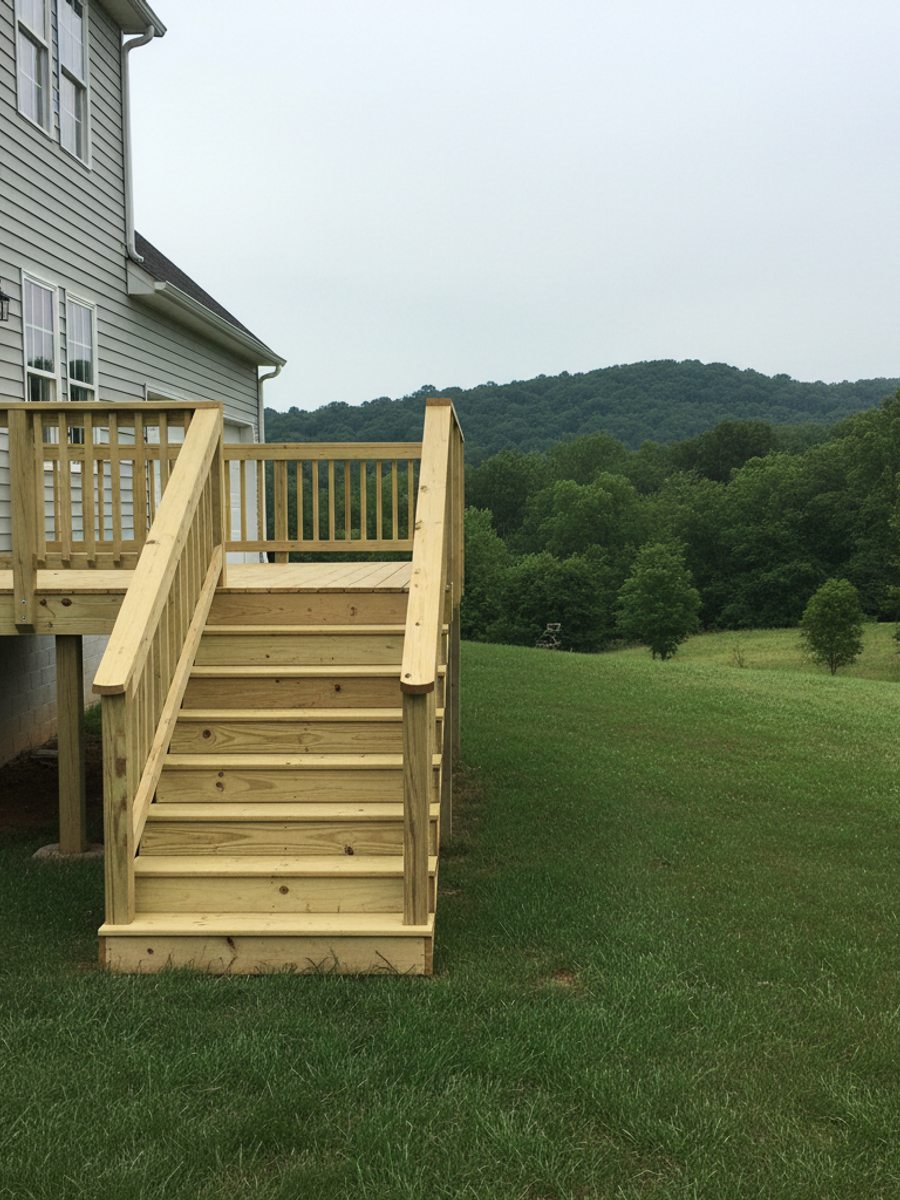
We frame with pressure-treated pine joists on 16-inch centers, or 12-inch centers for composite decking, since it requires tighter support underneath. Footings go below the frost line and get inspected before we back-fill, so the deck doesn't heave or settle in year two. Ledger boards get flashed and lag-bolted into the rim joist, not just nailed, because that connection is the first thing to fail in a bad build.

Deck Repair

Loose railings, spongy boards, and joists gone soft from years of standing water all fall under this. We pull the bad boards, check the joists underneath for rot before capping over anything, and match new decking as close as we can to what's already down. Sometimes a repair turns into a rebuild once we get the old boards up and see what's really going on underneath.

Deck Staining & Sealing

Memphis humidity is hard on wood. We pressure wash first, let the deck dry out a couple of days, then apply a penetrating stain and sealer that keeps water out of the grain. Do this every one to two years and you'll keep the boards from cupping, splitting, and going gray.

Custom Deck Design

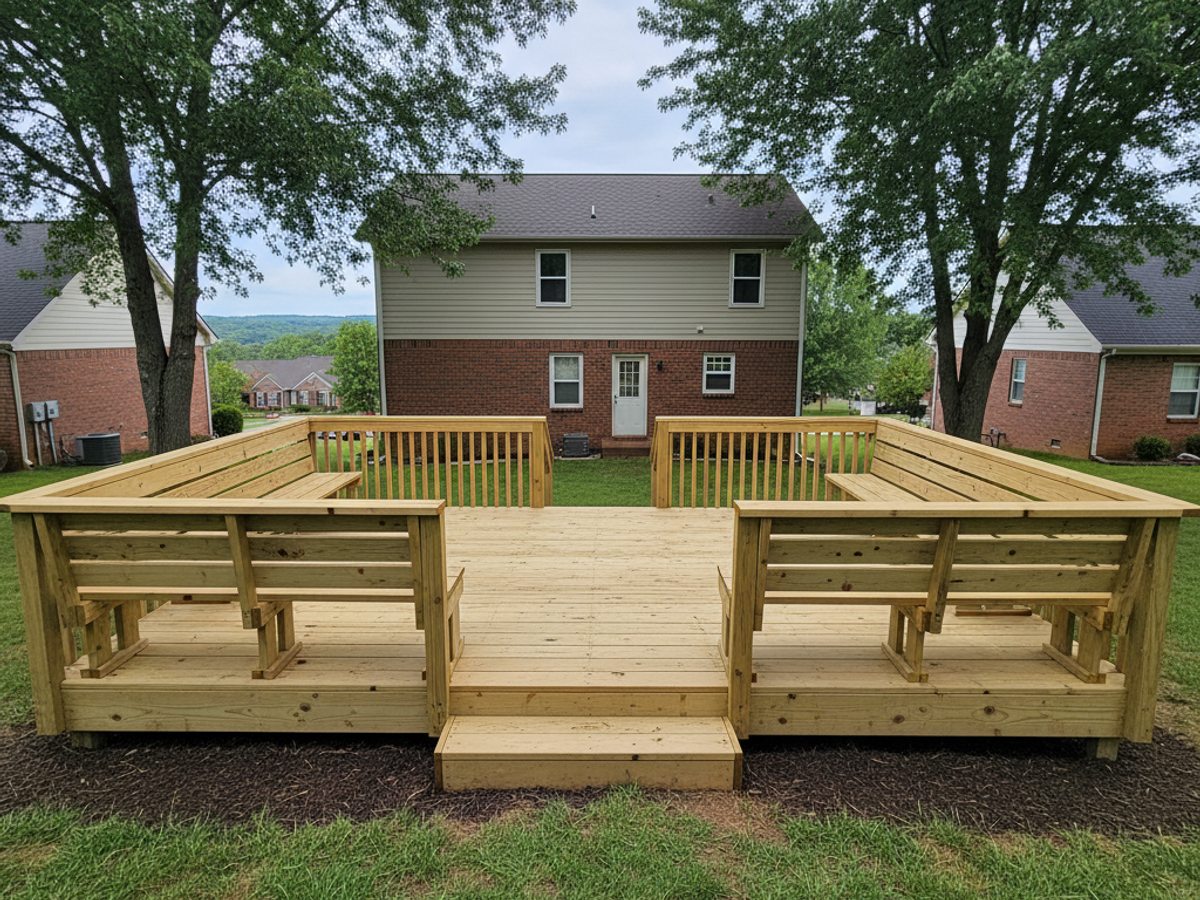
Multi-level decks, built-in benches, picture-frame borders, whatever the yard calls for. We draw it out and walk you through the layout before any wood gets cut, so you're not guessing at how it'll actually feel to stand on it.

Composite Decking

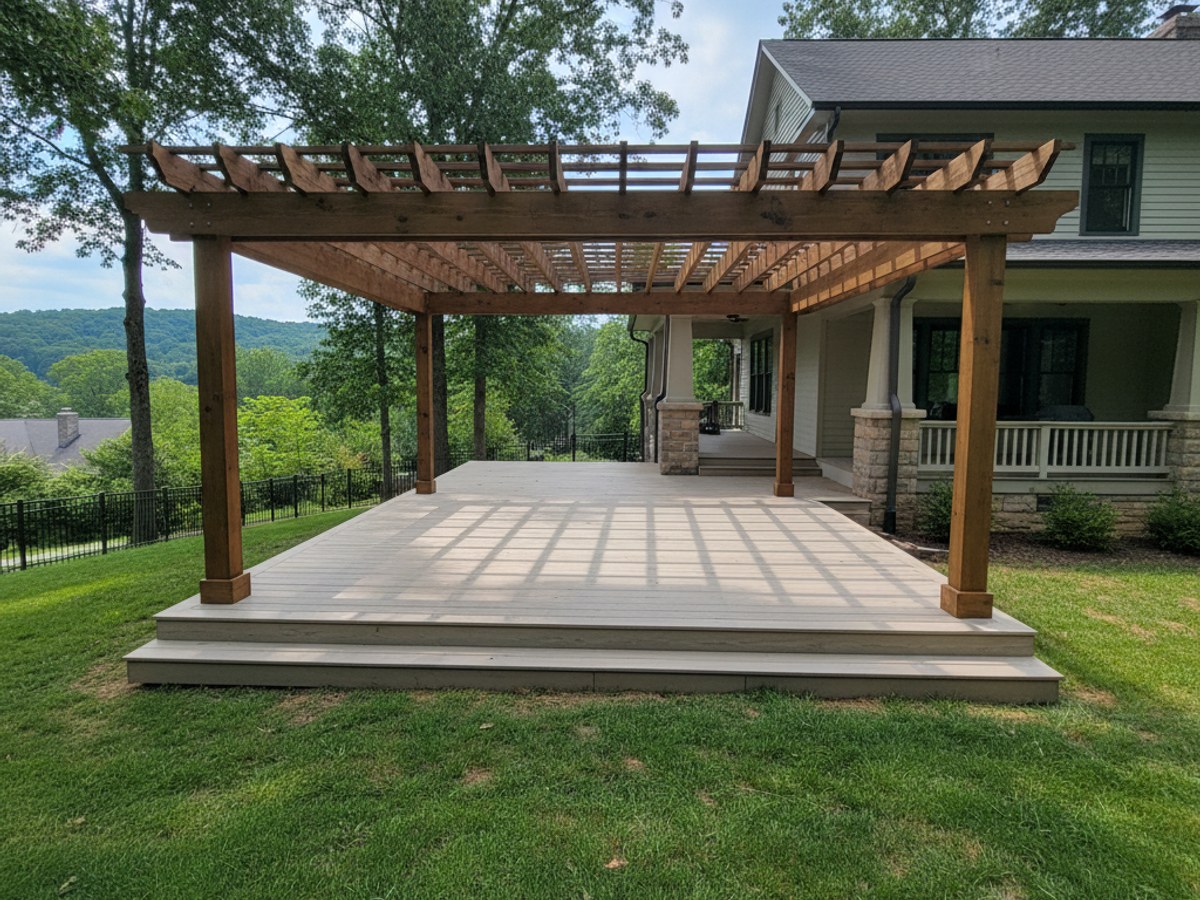
Trex, TimberTech, whatever brand you want, composite costs more up front and skips the yearly staining wood requires. It still requires joists spaced tighter than standard wood decking, and it still grows mildew in this humid climate if nobody hoses it off.

Deck Railing Installation

Code calls for balusters spaced so a 4-inch sphere can't pass through, and a top rail built to take real weight, not just look good. We install wood, cable, and aluminum railing systems and set the posts into the framing itself, not just screwed to the fascia board where they'll wiggle loose in a year.

Deck Resurfacing

If the frame underneath is solid but the boards are shot, we pull the decking and leave the substructure alone. It costs less than a full tear-out and gets you new boards without touching what's still doing its job.

Screened Porch Construction

We frame it off an existing deck or build it fresh, then run screen panels and a door that actually latches. Keeps the bugs out without losing the covered space you already use.

Deck Demolition & Removal

Old deck's rotten, leaning, or just in the way of what you want to build next. We tear it out, haul the lumber off, and pull every nail and lag bolt out of the house band board so the next build starts on clean wood.

Pergolas & Deck Covers

Shade structure over an existing deck, or built as part of a new one. We size the rafters for wind and snow load same as we would a roof, because a pergola that wasn't sized for it will rack in a bad storm.

How It Works

Four steps, and no surprises in any of them.

01

We come and look

You tell us what you want doing, we look at what is actually there, and we ask the awkward questions early.

02

You get a price

In writing, itemised, free. If something might add cost later we flag it now rather than at the end.

03

We do the work

Same crew throughout. We cover your floors, keep the dust down and tidy up before we leave each day.

04

We walk it with you

You point out anything you are not happy with and we fix it before the invoice, not after.

Where We Work

All of this, across Memphis, TN

Deck jobs we take on throughout the Memphis area.

Memphis, TN
Bartlett, TN
Southaven, TN
Collierville, TN
Olive Branch, TN
Germantown, TN
Horn Lake, TN
West Memphis, TN
Arlington, TN
Marion, TN
Millington, TN
Common Questions

Things worth asking

Questions that come up once a deck project is underway.

Does a new deck need a permit?
Most cities and counties around Memphis require a permit for a deck attached to the house or built above a certain height off the ground, since it involves footings and structural framing that get inspected. A contractor pulling the permit should also schedule the required inspections, usually at the footing stage and again at final completion.
How long does it take to build a deck?
A straightforward single-level deck usually takes about one to two weeks from footings to finished railing, weather allowing. A multi-level deck, a screened porch addition, or anything with custom built-ins can run three to four weeks or longer.
Can a deck be built to fit a specific budget?
Deck size, decking material, and railing type are the three biggest levers on cost, so a contractor can usually adjust the design to hit a target budget. Dropping from composite to pressure-treated pine, or simplifying the railing, are common ways to bring a quote down without cutting corners on the structure underneath.
Do deck builders offer any kind of guarantee on the work?
Most deck contractors warranty their labor and framing for a set period, separate from the manufacturer's warranty on the decking material itself, which for composite brands often runs 25 to 50 years against fading and staining. It's worth getting the labor warranty terms in writing along with the quote.
Who does the homeowner deal with day to day during the build?
On most deck jobs, a single point of contact, usually the lead carpenter or the contractor, handles scheduling and questions rather than routing everything through an office. That person should also be the one walking the site with the homeowner at the start and the end of the job.
What decking materials are typically used?
Pressure-treated pine is the most common and least expensive, cedar offers a natural look with more upkeep, and composite brands like Trex or TimberTech cost more upfront but skip the yearly staining. Railing is usually wood, aluminum, or cable, chosen separately from the decking material to match the look and the budget.
Can someone still use their yard while a deck is being built?
The yard directly under and around the deck footprint will be a work zone for the duration of the project, with lumber staged nearby and equipment coming and going. Most of the rest of the yard stays usable, though pets and kids should stay clear of the footing holes and framing area until it's enclosed.
What should a homeowner do to prepare the site before work starts?
Clearing furniture, grills, and potted plants off the existing deck or the build area saves time on day one. It also helps to mark the location of any buried sprinkler lines, dog fence wire, or utility lines near where the footings will go.
What happens if something unexpected turns up once the old deck comes off?
It's common to find rotted rim joists, termite damage, or undersized old footings once the decking comes up, especially on a deck being replaced rather than built new. A contractor should stop and get approval before doing extra work, with the added cost and time spelled out clearly rather than added to the final bill as a surprise.
How should a finished deck be maintained?
Wood decks require a fresh coat of stain and sealer roughly every one to two years to keep water out of the grain, more often in a humid climate. Composite decking mainly requires regular washing to keep mildew and pollen from building up, since it can't be sanded or restained like wood.

Not sure what you need?

Describe the problem and we will tell you what it probably is. No obligation.
Call (901) 716-8596